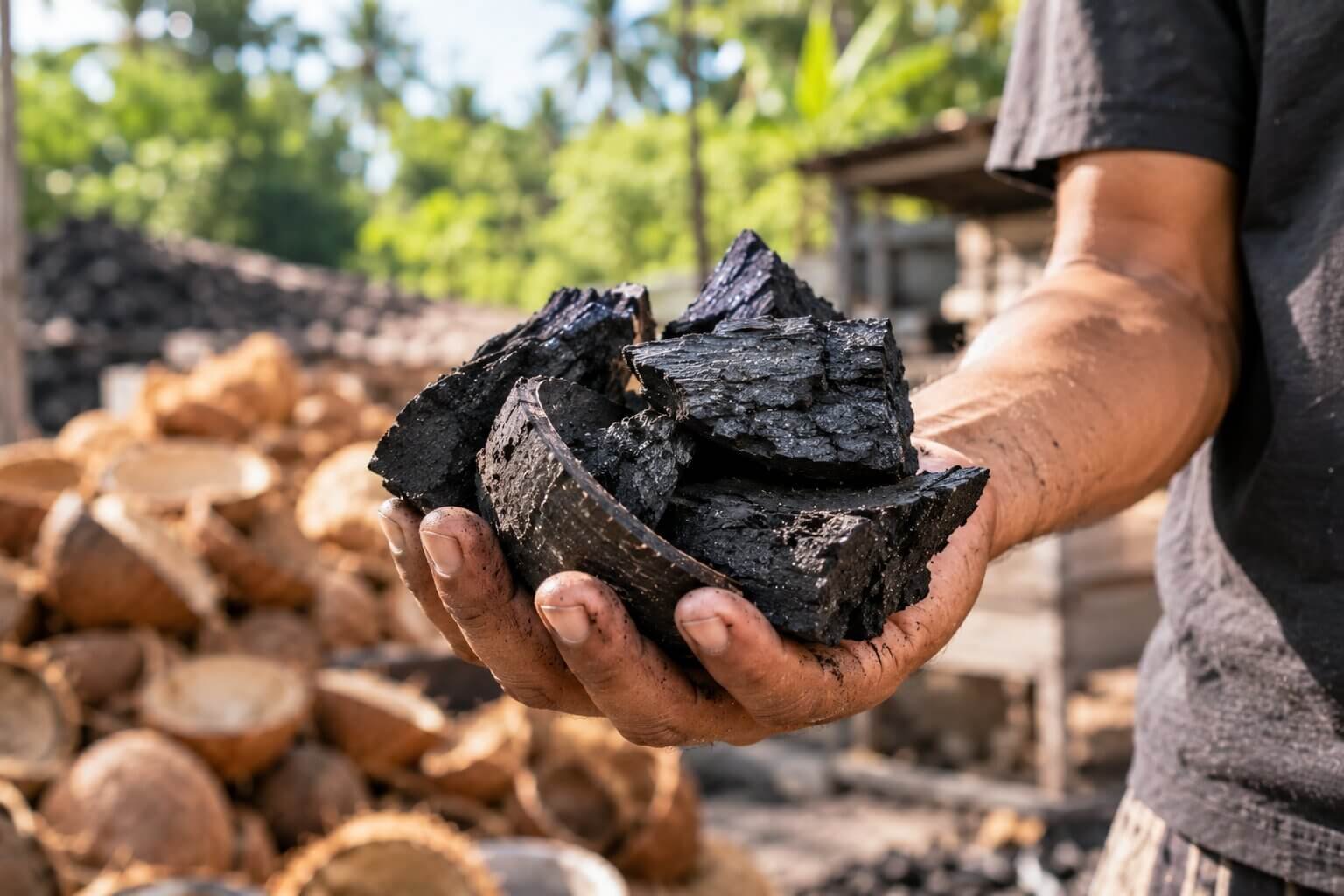
Coconut shell charcoal has become one of the most traded coconut by-products in international markets. For importers, distributors and manufacturers, understanding how the product is made and which characteristics matter is the first step toward sourcing it with confidence. This guide covers the basics every international buyer should know.
What Is Coconut Shell Charcoal?
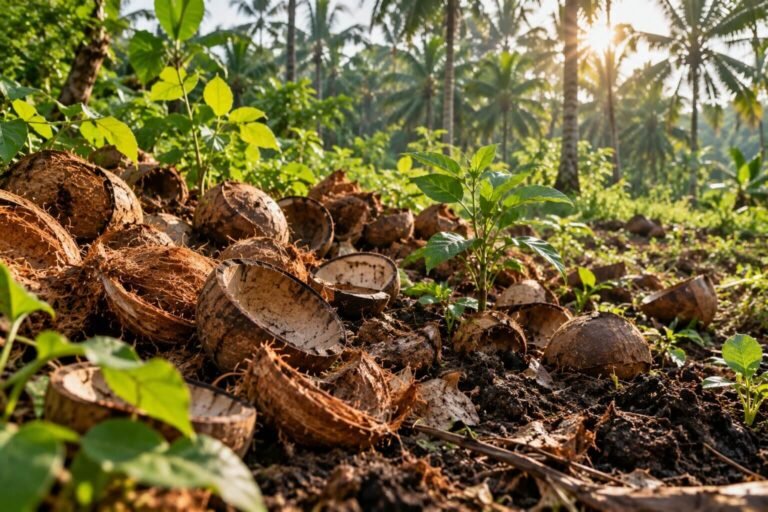
Coconut shell charcoal is produced by carbonizing the hard shell of the coconut, the part that remains after the flesh and water have been used. During carbonization, the shells are heated with limited oxygen so that moisture and volatile compounds are driven off, leaving a material that is rich in carbon.
Because the raw material is a by-product of coconut processing, coconut shell charcoal is often valued as a renewable alternative to charcoal made from wood.
How Coconut Shell Charcoal Is Produced
Production methods vary between producers, but most follow a similar sequence:
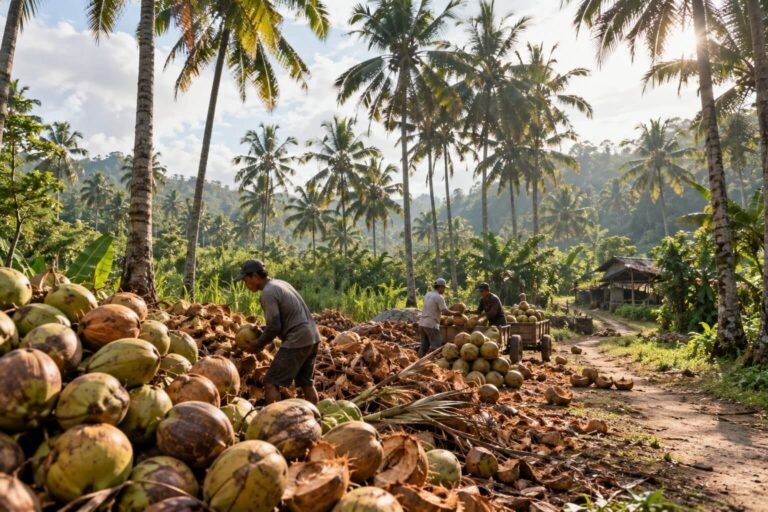
- Collection: shells are gathered from coconut processing activities and plantations.
- Cleaning and drying: shells are separated from husk fibre and dried to reduce moisture.
- Carbonization: the shells are heated in a kiln or reactor with restricted air.
- Cooling: the charcoal is cooled before handling to prevent re-ignition.
- Sorting and sizing: the charcoal is screened, crushed or graded according to the agreed product form.
Each step influences the final quality, which is why buyers usually discuss production and handling with their supplier before ordering.
Common Applications
- Grilling and barbecue, where a clean, steady heat is preferred.
- Raw material for briquettes, including briquettes for grilling and other uses.
- Feedstock for activated carbon, used in filtration and purification.
- Other industrial uses that require a carbon-rich material.
Specifications International Buyers Review
Specifications should always be agreed between buyer and supplier and confirmed through testing. Parameters commonly discussed include:
- Fixed carbon: the carbon content remaining after volatile matter is removed.
- Ash content: the non-combustible residue left after burning.
- Moisture: which affects weight, burning behaviour and storage.
- Volatile matter: compounds released when the charcoal is heated.
- Calorific value: the energy released during combustion.
- Size and form: lump, crushed or powder, depending on the application.
A Certificate of Analysis (COA) from an independent laboratory is a common way to verify these values for a specific batch.
Why Source Coconut Shell Charcoal From Indonesia?
Indonesia is one of the world’s largest coconut producers, which means coconut shells are widely available as a by-product across many regions of the country. This gives buyers access to an established raw material base and producers experienced in coconut-based products.
Questions to Ask a Supplier
- Which specifications can you confirm, and how are they tested?
- Can you provide samples before a first order?
- Which packaging options are available for my market?
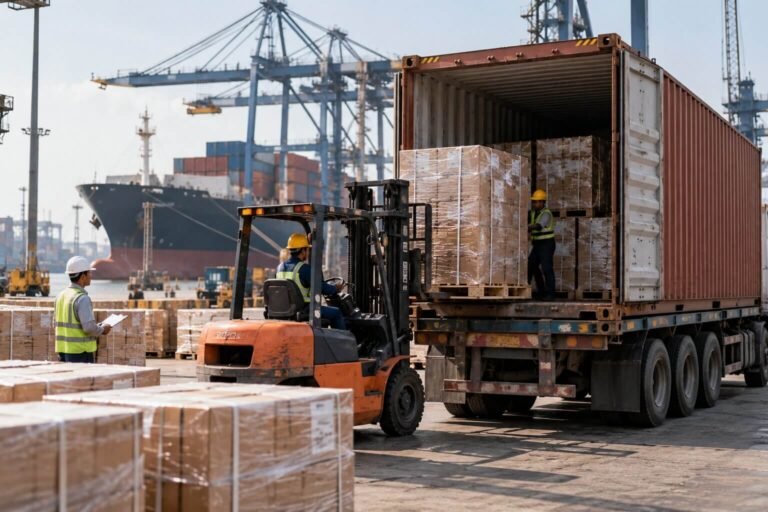
- Which export terms and documents do you support?
- How is the product stored and handled before shipment?
Next Steps
Clear requirements lead to better quotations. Before contacting suppliers, prepare your target specifications, estimated quantity, packaging preferences and destination market.
Ready to discuss your requirements? Explore our coconut shell charcoal and briquettes, see how we support buyers through our export services, or request a quote and our export team will follow up with you.