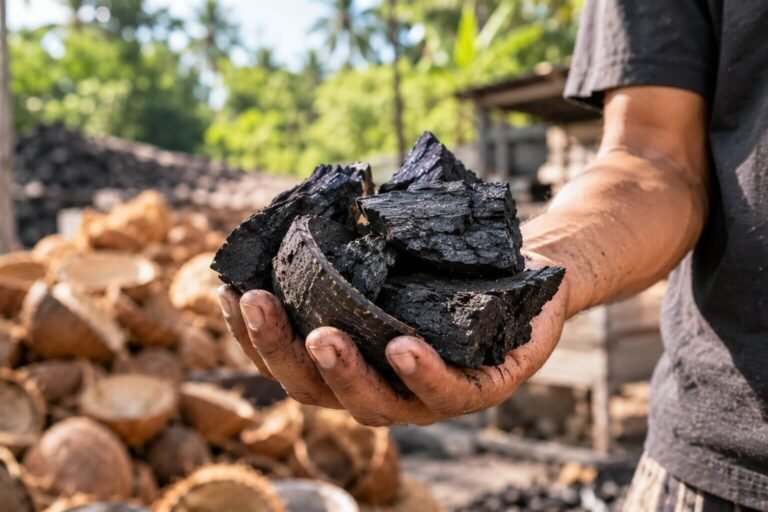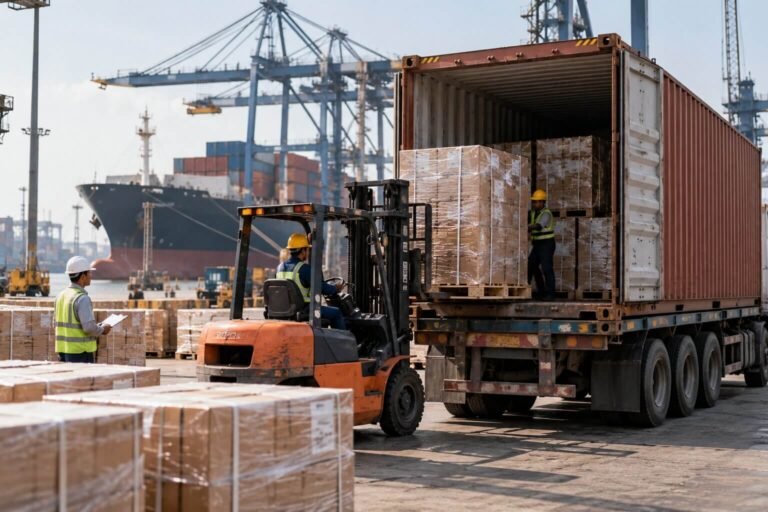

Indonesia offers international buyers access to a wide range of natural commodities, from coconut-based products to coffee, palm and agarwood. Sourcing successfully, however, depends less on finding a supplier and more on aligning requirements early. These are the points experienced buyers review before placing an order.
1. Define Your Requirements First
A precise inquiry saves time for both sides and results in more accurate quotations. Before approaching suppliers, prepare:
- The product and its target specifications
- Estimated quantity per shipment and expected frequency
- Packaging and labelling preferences
- Destination country and port
- Preferred export terms and timing
2. Evaluate the Supplier
Look beyond price. A reliable supplier should be able to explain how products are sourced, prepared and handled. Useful checks include the supplier’s legal registration, where production or preparation takes place, how quickly and clearly they communicate, and whether they can support the documents your market requires.
3. Request Samples and Verify Quality
Samples allow you to evaluate the product before committing to volume. For specification-driven commodities such as coconut shell charcoal, many buyers request laboratory testing and a Certificate of Analysis (COA). For larger orders, an independent pre-shipment inspection can add further assurance.
4. Agree on Commercial Terms in Writing
Confirm the key terms before production begins, including:
- Incoterms, such as FOB (Free On Board), which define where responsibility and risk transfer from seller to buyer
- Payment terms and the documents required for payment
- Specifications and tolerances that the shipment must meet
- Packaging, marking and loading requirements
- Lead time and shipment schedule
5. Plan Packaging and Labelling for Your Market
Packaging affects product protection, handling costs and compliance at destination. Discuss whether you need bulk export packaging, retail-ready packaging or a customized format, and confirm any labelling rules that apply in your country.
6. Understand the Documentation
Export documentation depends on the product and destination, but commonly includes a commercial invoice, packing list, bill of lading and certificate of origin, plus quality documents where required. Confirm the full list with your supplier and customs broker early.
7. Build a Long-Term Relationship
The most dependable supply chains are built over time. Consistent communication, transparent feedback after each shipment and realistic planning help both buyer and supplier improve with every order.
Ready to discuss your requirements? Explore our coconut shell charcoal and briquettes, see how we support buyers through our export services, or request a quote and our export team will follow up with you.