
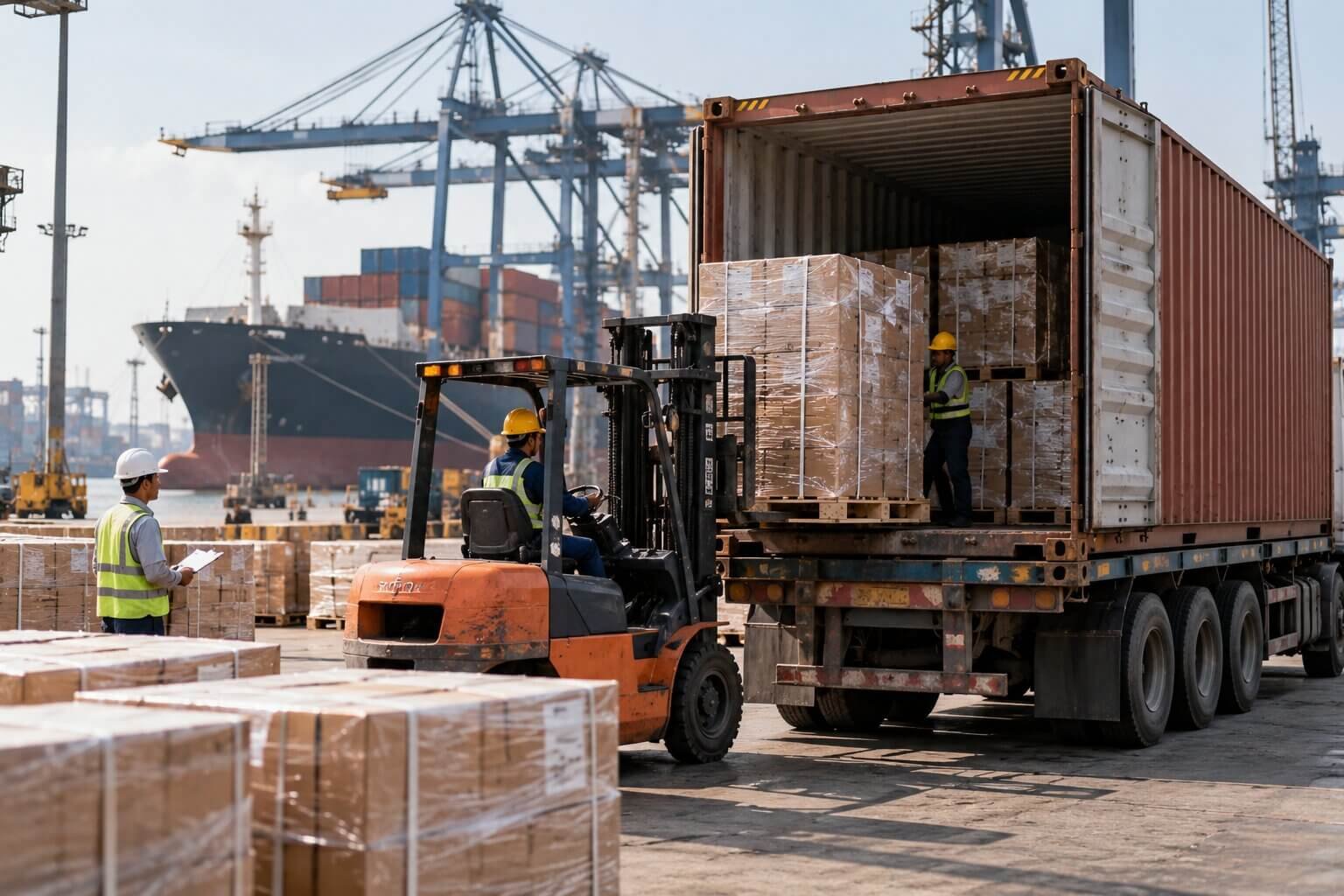
Packaging is often treated as an afterthought, yet it directly affects product condition on arrival, handling costs and compliance at the destination port. For commodities that travel long distances by sea, the right packaging plan is part of product quality.
Why Export Packaging Matters
- Protection: preventing breakage, contamination and moisture uptake during transit.
- Handling: making loading, unloading and storage efficient.
- Compliance: meeting labelling and material rules in the destination market.
- Market fit: matching how the product will be sold, in bulk or on shelves.
Bulk Export Packaging vs Retail-Ready Packaging
Bulk export packaging suits buyers who repack, process or distribute in large volumes. Common formats include woven sacks and large bulk bags.
Retail-ready packaging suits buyers who sell directly to end customers. Products are packed in smaller units, often in printed boxes or bags, ready for shelves.
Many buyers use a customized approach, for example cartons with inner bags sized to their own distribution needs.
Protecting Products From Moisture
Humidity inside a shipping container can change significantly during a sea voyage. Inner plastic liners, well-sealed cartons, dry storage before loading and container desiccants are common ways to reduce moisture risk. This is especially relevant for products such as charcoal, where moisture affects both weight and performance.
Pallets and ISPM 15
If wooden pallets or crates are used, they generally need to comply with ISPM 15, the international standard for wood packaging material. Compliant wood is heat-treated or fumigated and carries the official ISPM 15 mark. Non-compliant wood packaging can lead to delays or rejection at the destination.
Labelling and Marking
Labels should be agreed before production. Typical information includes product name, net and gross weight, country of origin, lot or batch number and handling marks. Some markets have specific language or content requirements, so confirm these with your importer or customs broker.
Container Loading
Good loading plans balance weight limits, stacking strength and securing. Cartons should be stacked to avoid crushing, loads secured to prevent shifting, and the container inspected for cleanliness and dryness before loading.
Packaging Checklist for Buyers
- Bulk, retail-ready or customized format?
- Unit weight and pack size
- Inner protection and moisture control
- Pallet requirements and ISPM 15 compliance
- Label content and language
- Loading method and container type
Ready to discuss your requirements? Explore our coconut shell charcoal and briquettes, see how we support buyers through our export services, or request a quote and our export team will follow up with you.