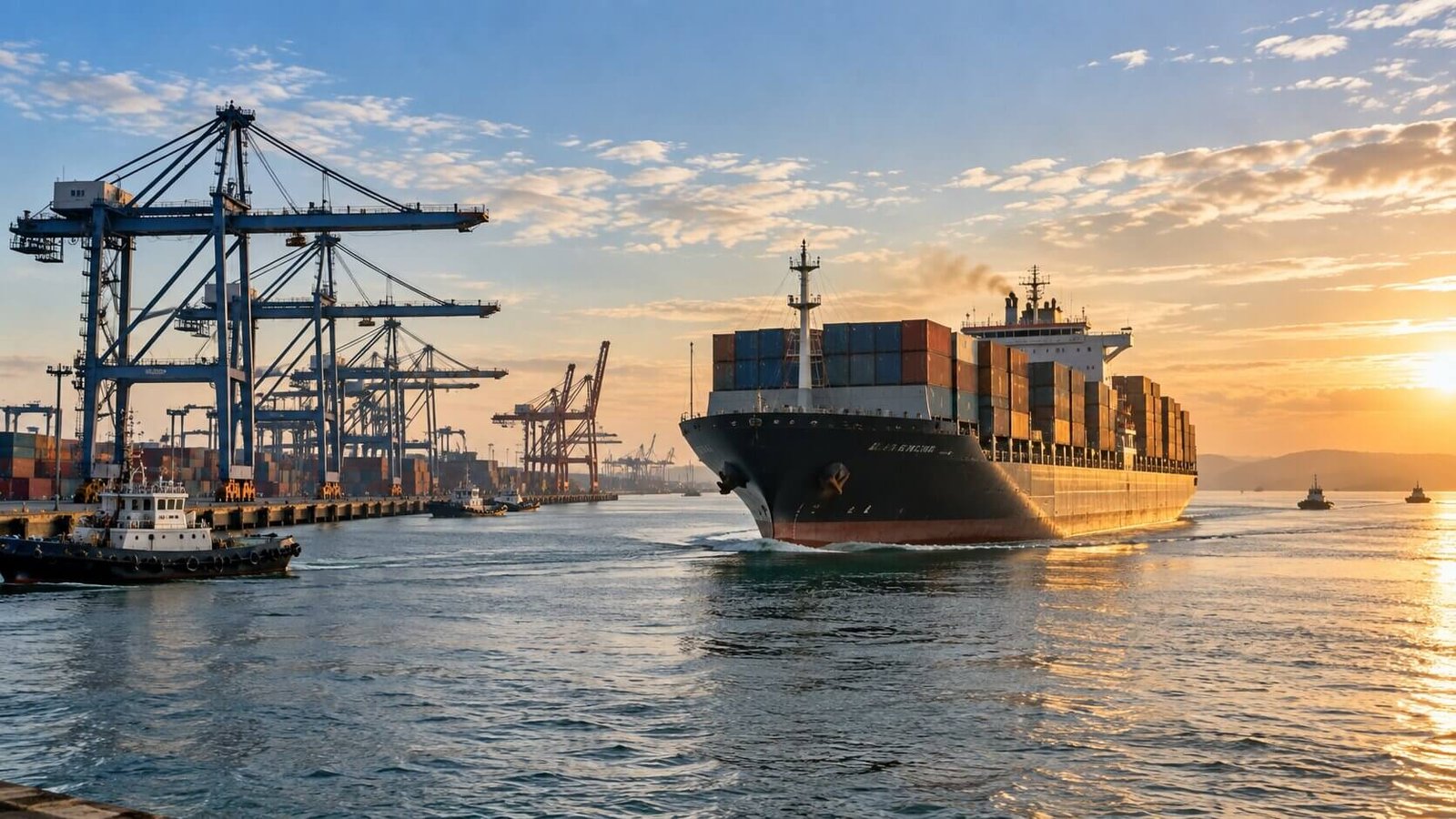
Every export shipment follows a journey, from the first inquiry to the moment the container leaves the port. Knowing the main stages helps buyers plan realistic timelines and avoid surprises. Here is how a typical commodity export from Indonesia comes together.
Step 1: Share Your Requirements
The process starts with a clear inquiry: product, target specifications, estimated quantity, packaging preferences and destination. The more complete the information, the more accurate the quotation.
Step 2: Samples and Specification Agreement
Samples let the buyer evaluate the product. Where specifications matter, laboratory testing and a Certificate of Analysis (COA) help both sides agree on measurable values before production.
Step 3: Agree on Commercial Terms
Price, payment terms, lead time and Incoterms are confirmed in writing. Under FOB (Free On Board), for example, the seller delivers the goods on board the vessel at the named port of shipment, and risk transfers to the buyer from that point. The buyer typically arranges the main sea freight and insurance.
Step 4: Product Preparation
The product is prepared according to the agreed specifications, including sorting, sizing or other preparation steps depending on the commodity.
Step 5: Packaging and Inspection
Goods are packed in the agreed format with the required labels. Many buyers arrange an independent inspection before loading to confirm quantity, packaging and quality.
Step 6: Export Documentation
Documents depend on the product and destination, and commonly include:
- Commercial invoice
- Packing list
- Bill of lading
- Certificate of origin
- Quality documents such as a COA or inspection report, where required
Step 7: Booking and Loading
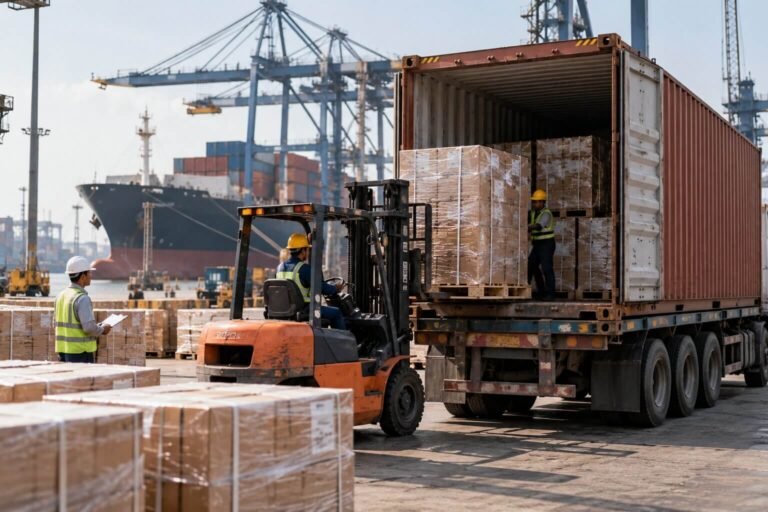
Space is booked with a shipping line and the container is loaded and sealed. Some products have special transport rules. Charcoal, for example, may be subject to dangerous goods regulations for sea transport depending on the product and test results, so this should be confirmed with the carrier early.
Step 8: After Shipment
Once the vessel departs, shipping documents are sent according to the agreed payment terms. Feedback after arrival helps both sides improve the next shipment.
Planning Your Timeline
Lead times depend on product availability, preparation, packaging, inspection and vessel schedules. Discussing each stage upfront is the best way to build a reliable timeline.
Ready to discuss your requirements? Explore our coconut shell charcoal and briquettes, see how we support buyers through our export services, or request a quote and our export team will follow up with you.